If you are still comparing subjects, browse our complete CPD course catalogue to explore professional learning across health and safety, risk management, construction, healthcare, management and other workplace disciplines. Within this category, you can choose short topic-focused study or more extensive multi-module programmes.
If you already work in a safety-related role and are planning ongoing development, our Health and Safety CPD guide explains how to match learning to workplace needs, competence gaps and professional-development requirements. This category page is designed to help you compare the courses themselves.
Choose the Right Health and Safety Course
The right course depends on how much depth you need and the specific safety responsibility you want to develop. Focused 10-hour courses are useful when you want to concentrate on a defined topic such as risk assessment, fire safety, ergonomics, COSHH, wellbeing or incident reporting. Specialist 30-hour options provide broader study in subjects such as PPE, vulnerable workers, driving safety, management systems and disability at work. Longer QLS-endorsed programmes provide a more structured route for learners seeking wider coverage across workplace health and safety.
Health and Safety Modules and Learning Areas
Across the category, health and safety learning is organised around practical workplace themes rather than one universal syllabus. Current course options cover the following areas:
Hazard identification and control: Learn how workplace hazards are recognised, prioritised and controlled, including the difference between identifying a problem and selecting an appropriate control measure.
Risk assessment and risk management: Develop a clearer understanding of risk, assessment steps, existing controls, further action and the importance of proportionate review.
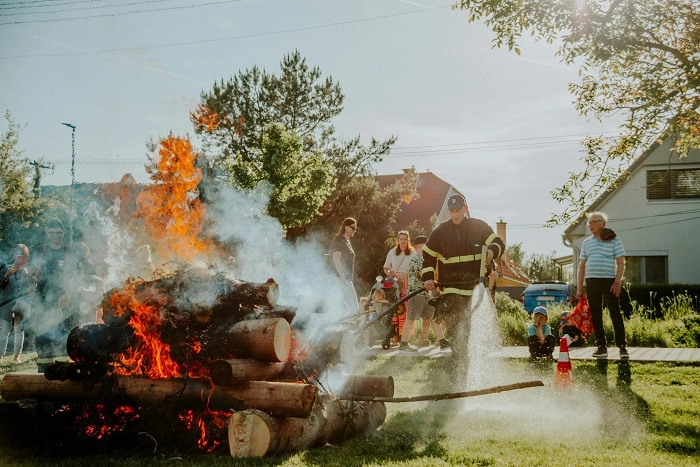
Fire safety and emergency awareness: Explore workplace fire risks, prevention, preparedness and the responsibilities that support safer emergency response.
Manual handling and ergonomics: Examine how task design, posture, movement, equipment and workplace setup can affect safety, comfort and injury risk.
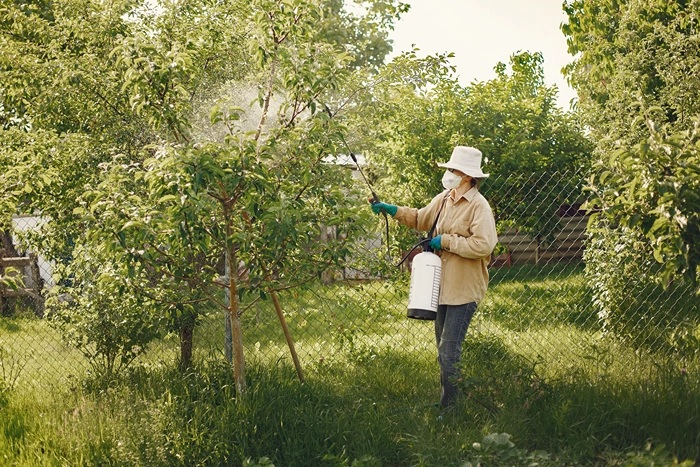
Hazardous substances and COSHH: Build awareness of hazardous substances, exposure risks, reporting information and the controls used to reduce harmful contact.
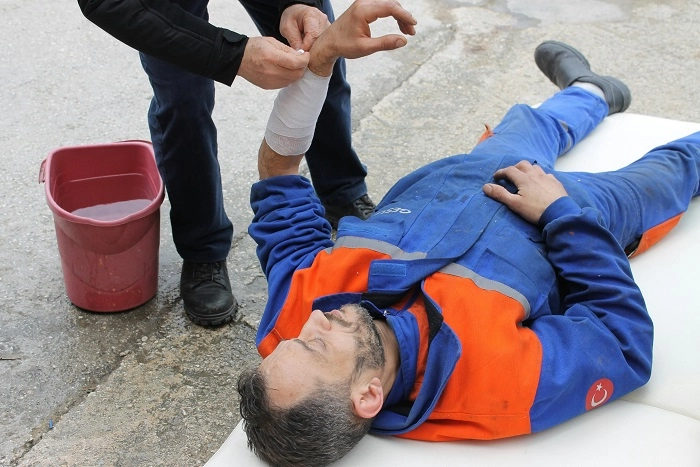
Accident investigation and reporting: Study how incidents and near misses can be documented, reviewed and used to identify lessons for future prevention.
PPE and practical control measures: Understand the role of personal protective equipment within wider risk-control arrangements and why PPE should not be treated as the only line of defence.
Wellbeing, inclusion and vulnerable workers: Explore how health, wellbeing, disability and individual circumstances can affect safety needs and workplace support.
Driving and riding for work: Review work-related road risks and the importance of safe driving behaviour, planning and organisational responsibility.
Health and safety management systems: Develop a broader view of policy, planning, implementation, monitoring, review and continual improvement within organisational safety management.
Who Are These Health and Safety Courses For?
How to Choose a Health and Safety Online Training Course
- Start with the learning need. Choose the course that matches the specific hazard, responsibility or competence gap you need to address.
- Choose a focused 10-hour course when you need concise study in one topic such as risk assessment, fire safety, ergonomics, COSHH, wellbeing or incident reporting.
- Choose a 30-hour specialist course when you need broader coverage of PPE, vulnerable workers, work-related driving, safety management systems or disability at work.
- Choose the Level 2 route if you want a broader foundation in workplace safety and can commit to approximately 125 hours of study.
- Choose the Level 7 route if you are looking for a much more extensive programme and can commit to approximately 620 hours of study.
- If you need a course for statutory training, a regulated role, professional-body credit, insurance, licensing or a specific technical task, confirm the exact requirement before enrolling. General online CPD should not be used as a substitute where task-specific practical training or formal competence assessment is required.
Certificates, CPD and QLS-Endorsed Study
Certificate arrangements vary across this Health and Safety category, so the certificate should be checked on the individual course page before enrolment. The two longer programmes currently displayed in the category use Quality Licence Scheme endorsement. The Level 2 and Level 7 course pages state that successful learners receive a Quality Licence Scheme Certificate of Achievement and Learner Unit Summary. QLS endorsement applies to high-quality learning in the non-regulated market; these courses are not Ofqual-regulated qualifications.
Focused CPD courses are designed for continuing professional development and can provide evidence of completed learning. Courses for Professional Development is listed by The CPD Standards Office as Provider 60073. The public CPD Standards Office directory currently names only specific accredited activities, so provider accreditation should not be read as proof that every Health and Safety course is individually listed as an accredited activity. If formal CPD credit matters for an employer, regulator or professional body, confirm the acceptance criteria that apply to you.
A course certificate records learning; it does not by itself prove legal compliance, statutory competence or fitness to carry out specialist safety work. Competence can also depend on experience, practical ability, workplace knowledge, supervision, technical qualifications and task-specific training.
For a clearer explanation of these distinctions, see our guide to CPD accreditation and our What Is CPD? guide.
Flexible Online Study
Our occupational health and safety courses online are designed for flexible study, making it easier to continue learning around work and personal commitments. An online format can be particularly useful for theory, awareness, refresher learning and structured professional development. However, some workplace activities require practical instruction, supervised assessment or role-specific competence that cannot be established by online study alone.
Related Risk Management Learning
If your responsibilities extend beyond workplace safety into wider business, operational, financial or strategic risk, explore our Risk Management courses. The Health and Safety category focuses on workplace hazards, controls and safety responsibilities, while Risk Management covers broader organisational uncertainty and business risk.
Frequently Asked Questions
What are Workplace Health and Safety Courses Online?
They are online learning options focused on workplace safety knowledge and professional development. This category includes short CPD courses, specialist 30-hour programmes and longer QLS-endorsed Level 2 and Level 7 routes.
Are there online safety courses with certificates?
Yes. Certificate arrangements vary by course. The longer Level 2 and Level 7 programmes are presented as QLS-endorsed courses, while focused CPD courses provide completion or professional-development certificate options according to the individual course page.
Which health and safety course is suitable for a beginner?
A beginner who wants broad structured study may prefer the Level 2 workplace-safety certificate. Someone who wants to explore one subject first may prefer a focused short course such as Workplace Health & Safety, Risk Assessment or Fire Safety Awareness.
What is the difference between the Level 2 and Level 7 routes?
The Level 2 course is listed at approximately 125 hours and provides a broad workplace-safety foundation. The Level 7 course is listed at approximately 620 hours and covers a much wider range of health and safety topics across eight modules.
Are these occupational health and safety courses online?
Yes. The courses in this category are delivered through online study. Check the individual page for the current duration, syllabus, assessment arrangements, learner support and certificate details.
Is there a health and safety awareness course online?
Yes. The category includes focused awareness-style courses covering workplace health and safety, fire safety, risk assessment, ergonomics, COSHH, wellbeing, accident reporting and other practical safety topics.
Do all Health and Safety courses provide the same certificate?
No. Certificate arrangements differ across the category. QLS-endorsed programmes and CPD courses are not the same type of learning, so always review the certificate and endorsement section of the individual course you intend to take.
Are QLS Level 2 and Level 7 Health and Safety courses regulated qualifications?
No. The course pages state that these QLS-endorsed programmes are non-regulated provision and are not Ofqual-regulated qualifications.
Does completing a CPD course prove that my workplace is legally compliant?
No. CPD can strengthen knowledge, but legal compliance depends on the organisation’s actual hazards, controls, procedures, competence, supervision and applicable legal duties.
How long do Health and Safety courses take?
Several focused courses are listed at 10 hours, specialist options at 30 hours, the Level 2 programme at 125 hours and the Level 7 programme at 620 hours.
What subjects are covered by a health and safety online training course?
Depending on the course, subjects can include hazard identification, risk assessment, fire safety, ergonomics, COSHH, wellbeing, accident investigation, PPE, vulnerable workers, work-related driving, disability at work and safety-management systems.
How should I choose between a Health and Safety course and a Risk Management course?
Choose Health and Safety when your learning need concerns workplace hazards, controls, employee safety or safety systems. Choose Risk Management when your responsibilities extend into wider business, operational, financial, legal or strategic risk. Some roles may benefit from both.
Compare Health and Safety Courses and Start Learning
Choose the course that matches the depth of study you need, the subject you want to develop and the recognition required for your intended purpose. Compare the current Health and Safety options above, review the individual course details and enrol when you have identified the most relevant learning route.